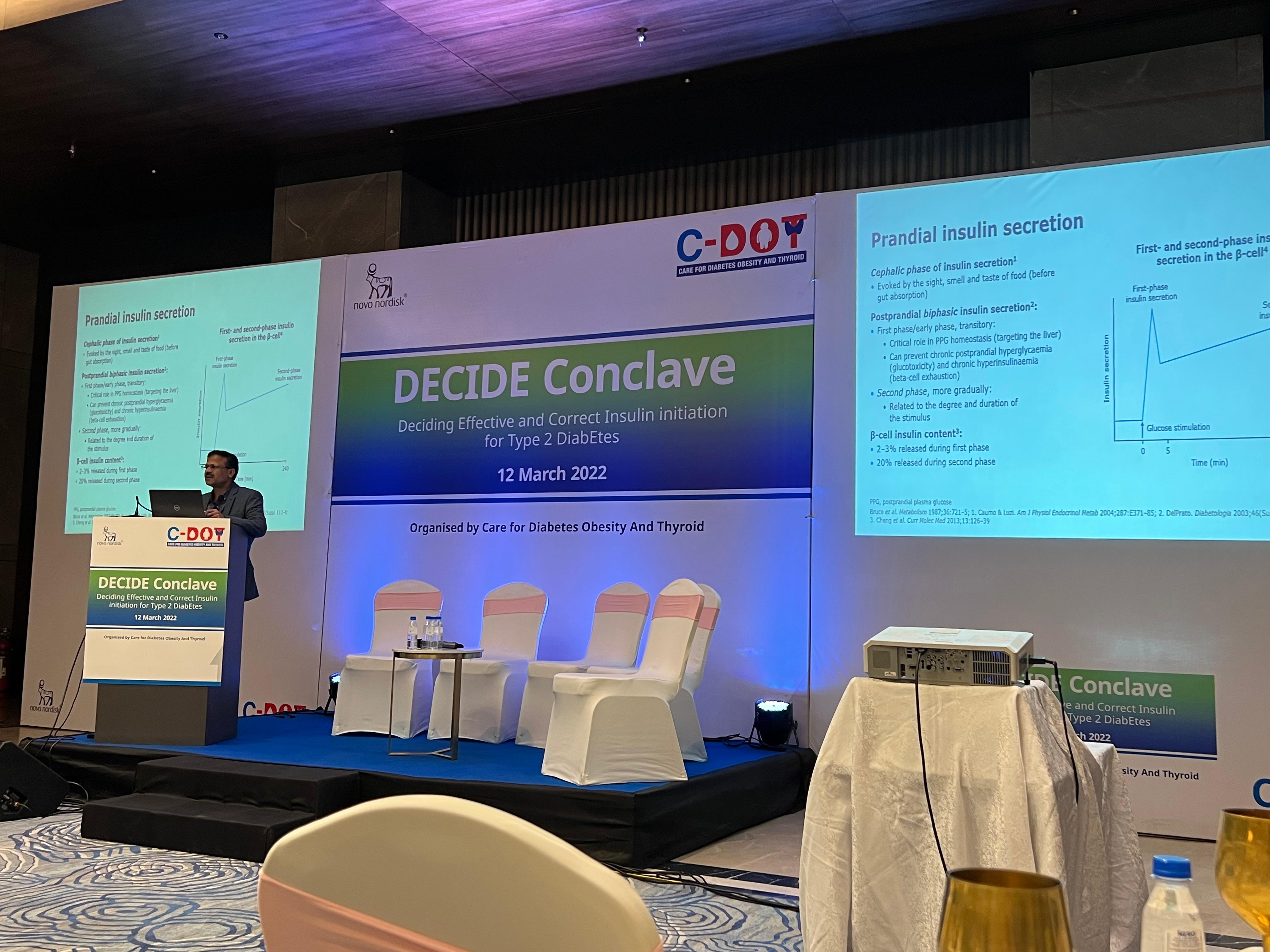
Diabetes Screening
About the Program

Fighting India's Diabetes Epidemic

Diabetes has emerged as one of India's most pressing health challenges, affecting over 77 million adults and counting. Our Diabetes Care Program is designed to tackle this epidemic through a comprehensive, three-pronged approach that emphasizes prevention, early detection, and effective management.

According to the International Diabetes Federation, India is home to the second-largest diabetic population in the world. The alarming rise in diabetes cases is attributed to lifestyle changes, urbanization, unhealthy eating habits, physical inactivity, and genetic predisposition. What makes this situation even more concerning is that nearly half of those affected remain undiagnosed, leading to severe complications that could have been prevented with timely intervention.

At C-DOT, we believe that diabetes should not be a life sentence. With the right knowledge, early detection, and proper management, individuals can lead healthy, productive lives despite having diabetes. Our program has successfully helped over 25,000 individuals prevent or manage their diabetes through our holistic, patient-centered approach.
Education

Understanding Diabetes

Knowledge is the first step toward prevention and control

What is Diabetes?

Diabetes mellitus is a chronic metabolic disorder characterized by elevated blood glucose levels (hyperglycemia). This occurs when the body cannot produce enough insulin or cannot effectively use the insulin it produces. Insulin is a hormone produced by the pancreas that allows glucose from food to enter cells and be converted into energy.

When this process is disrupted, glucose accumulates in the bloodstream instead of being absorbed by cells. Over time, high blood glucose levels can damage various organs and systems, including the heart, blood vessels, eyes, kidneys, and nerves.

Types of Diabetes

  • Type 1 Diabetes: An autoimmune condition where the body's immune system attacks and destroys insulin-producing beta cells in the pancreas. It typically develops in childhood or adolescence and requires lifelong insulin therapy.
  • Type 2 Diabetes: The most common form (90-95% of cases), where the body becomes resistant to insulin or doesn't produce enough. It is strongly linked to obesity, physical inactivity, poor diet, and genetic factors. Type 2 diabetes can often be prevented or delayed through lifestyle modifications.
  • Gestational Diabetes: Develops during pregnancy and usually resolves after delivery. However, women who have had gestational diabetes have a higher risk of developing Type 2 diabetes later in life.
  • Prediabetes: A condition where blood glucose levels are higher than normal but not yet high enough to be diagnosed as diabetes. It is a critical warning sign and an opportunity for intervention to prevent progression to full diabetes.
Warning Signs
  • Excessive thirst (polydipsia)
  • Frequent urination (polyuria)
  • Unexplained weight loss
  • Extreme hunger
  • Fatigue and weakness
  • Blurred vision
  • Slow-healing wounds
  • Tingling in hands or feet
Risk Factors
  • Family history of diabetes
  • Overweight or obesity
  • Physical inactivity
  • Age over 45 years
  • High blood pressure
  • Abnormal cholesterol levels
  • History of gestational diabetes
  • Polycystic ovary syndrome (PCOS)
Complications
  • Cardiovascular disease
  • Kidney disease (nephropathy)
  • Eye damage (retinopathy)
  • Nerve damage (neuropathy)
  • Foot problems & amputations
  • Skin infections
  • Hearing impairment
  • Alzheimer's disease
Our Methodology

Three-Pillar Approach to Diabetes Care

01

Prevention

Community Education Programs: We conduct regular awareness sessions in communities, schools, workplaces, and public spaces to educate people about diabetes risk factors, warning signs, and preventive measures. Our interactive workshops cover topics like healthy eating, physical activity, stress management, and weight control.

Lifestyle Modification Counseling: Our team of nutritionists and health educators work with individuals at high risk of developing diabetes to implement sustainable lifestyle changes. This includes personalized diet plans, exercise routines, and behavioral interventions tailored to individual needs and circumstances.

Prediabetes Management: We identify individuals with prediabetes through our screening programs and provide intensive lifestyle intervention to prevent or delay the onset of Type 2 diabetes. Studies show that lifestyle modifications can reduce diabetes risk by 58% in high-risk individuals.

02

Early Detection

Free Health Camps: We organize regular diabetes screening camps in communities, offering free blood glucose testing, HbA1c measurements, and risk assessments. These camps are strategically located in underserved areas where access to healthcare is limited. Over 50,000 individuals have been screened through our camps.

Comprehensive Screening: Our screening process goes beyond simple blood sugar tests. We conduct comprehensive assessments including body mass index (BMI), waist circumference, blood pressure, lipid profile, and family history evaluation to identify all risk factors.

Mobile Health Units: Our fleet of mobile health units brings diabetes screening directly to rural and remote areas, eliminating transportation barriers and making early detection accessible to all segments of society.

Workplace Screening Programs: We partner with corporations to conduct diabetes screening at workplaces, making it convenient for employees to get tested during work hours without disrupting their schedules.

03

Management & Support

Expert Consultations: Individuals diagnosed with diabetes or prediabetes receive consultations with our team of endocrinologists, diabetologists, and diabetes educators. These consultations cover medication management, glucose monitoring, complication prevention, and lifestyle modifications.

Patient Education: We provide comprehensive diabetes self-management education (DSME) covering topics like glucose monitoring, medication adherence, hypoglycemia management, foot care, sick day management, and complications prevention.

Nutrition Counseling: Our registered dietitians create personalized meal plans based on individual preferences, cultural foods, economic constraints, and medical conditions. We teach carbohydrate counting, portion control, and healthy cooking methods.

Follow-up Support: Diabetes management is a lifelong journey. We provide ongoing support through regular follow-up calls, support group meetings, and periodic health monitoring to ensure sustained disease control.

What We Offer

Comprehensive Services

Free Blood Glucose Testing

Both fasting and random blood sugar tests using accurate glucometers and laboratory-grade equipment

HbA1c Testing

Comprehensive 3-month blood sugar average testing to assess long-term glucose control

Specialist Consultations

Access to endocrinologists and diabetologists for expert medical advice and treatment planning

Personalized Diet Plans

Customized nutritional guidance from certified dietitians tailored to your lifestyle and preferences

Exercise Guidance

Safe and effective physical activity recommendations appropriate for your fitness level and health status

Medication Counseling

Guidance on proper use of diabetes medications, insulin administration, and managing side effects

Diabetes Education

Comprehensive self-management education covering all aspects of living well with diabetes

Support Groups

Peer support through regular meetings where participants share experiences and motivate each other

Real Results

Success Stories

Lives transformed through our diabetes care program

Success Story

Rajesh Kumar - Type 2 Diabetes Reversal

"I was diagnosed with Type 2 diabetes during a C-DOT health camp in 2020. My HbA1c was 9.2%, and I was overweight at 95 kg. The team didn't just prescribe medicines; they changed my entire approach to health. The nutritionist created a realistic Indian diet plan that included foods I loved but in the right portions. The exercise counselor helped me start walking and gradually build up to jogging.

Within 6 months, I lost 18 kg, and my HbA1c dropped to 6.1%. Today, I'm off diabetes medications and managing my condition entirely through lifestyle. I attend their monthly support group meetings, which keep me motivated. C-DOT didn't just treat my diabetes; they gave me my life back. I have more energy, better sleep, and the confidence that I'm in control of my health."

HbA1c: 9.2% → 6.1%
Weight: 95kg → 77kg
Status: Medication-free
Success Story

Priya Sharma - Prediabetes Prevention

"My mother has diabetes, so when I tested positive for prediabetes at age 32, I was terrified of following the same path. C-DOT's prediabetes program was a blessing. They explained that this was actually good news—I had caught it early enough to prevent full diabetes.

The program was incredibly practical. They didn't ask me to follow some impossible diet; instead, they taught me how to modify my regular meals. Simple changes like switching from white rice to brown rice, adding more vegetables, reducing oil, and walking 30 minutes daily made a huge difference. The WhatsApp support group kept me accountable.

After 8 months, my blood sugar levels returned to normal. More importantly, I learned sustainable healthy habits that I'll maintain for life. I'm now an advocate for diabetes prevention and volunteer at C-DOT camps to share my story and encourage others."

Fasting Glucose: 110 → 92 mg/dL
Weight: 72kg → 64kg
Status: Normal glucose levels
Dietary Guidance

Nutrition for Diabetes Management

✓ Foods to Include

  • Whole grains (brown rice, whole wheat, oats)
  • Non-starchy vegetables (leafy greens, broccoli, cauliflower)
  • Lean proteins (chicken, fish, legumes)
  • Healthy fats (nuts, olive oil, avocado)
  • Low-fat dairy products
  • Fresh fruits in moderation
  • High-fiber foods
  • Sugar-free beverages

⚠ Foods to Limit

  • Refined carbohydrates (white bread, pasta)
  • Sugary beverages and juices
  • Processed and packaged foods
  • Trans fats and hydrogenated oils
  • High-sodium foods
  • Fried and deep-fried items
  • Full-fat dairy products
  • Alcohol (consult your doctor)

✗ Foods to Avoid

  • Sweets and desserts
  • Candy and chocolates
  • Sugary breakfast cereals
  • Ice cream and frozen desserts
  • Sweetened baked goods
  • Honey, jaggery in excess
  • Fruit-flavored yogurt with added sugar
  • Energy drinks and sodas

Practical Meal Planning Tips

Plate Method: Fill half your plate with non-starchy vegetables, one-quarter with lean protein, and one-quarter with whole grains or starchy vegetables.
Portion Control: Use smaller plates, measure serving sizes, and avoid second helpings.
Regular Meal Times: Eat at consistent times each day to help regulate blood sugar levels.
Healthy Snacking: Choose nuts, seeds, or vegetables with hummus instead of chips or biscuits.
Carb Counting: Learn to count carbohydrates to better manage blood glucose levels.
Hydration: Drink plenty of water throughout the day; aim for 8-10 glasses daily.

Diabetes Program Impact

25,000+

Diabetes Patients Supported

300+

Diabetes Screening Camps

60,000+

Free Blood Sugar Tests

85%

Improved Glucose Control Rate

Take Action

How You Can Participate

Get Screened

Attend one of our free diabetes screening camps. Early detection can save your life.

Find a Camp

Volunteer

Help us organize camps, spread awareness, and support diabetes patients in your community.

Join Us

Support Our Work

Your donation helps us provide free screenings and support to those who need it most.

Donate Now
Common Questions

Frequently Asked Questions

Is diabetes curable?

Type 1 diabetes is not curable and requires lifelong insulin therapy. Type 2 diabetes, while not technically "curable," can often be reversed or put into remission through significant lifestyle changes including weight loss, healthy diet, and regular exercise. Many of our participants have achieved normal blood sugar levels without medication through our program.

Are your services really free?

Yes! Our diabetes screening camps, including blood glucose testing and basic consultations, are completely free. We believe healthcare is a right, not a privilege. Specialized consultations and advanced tests may have nominal charges, but financial assistance is available for those who need it.

How often should I get screened for diabetes?

If you are over 45 or have risk factors (obesity, family history, etc.), you should get screened at least once a year. If you have prediabetes, we recommend screening every 3-6 months to monitor progression.

Can I prevent diabetes if it runs in my family?

Yes! While you cannot change your genetic predisposition, you can significantly reduce your risk through lifestyle modifications. Studies show that maintaining a healthy weight, eating a balanced diet, and exercising regularly can reduce diabetes risk by up to 58%, even in those with family history.

What is the difference between fasting and random blood sugar tests?

A fasting blood sugar test measures glucose levels after you haven't eaten for at least 8 hours (usually overnight). A random blood sugar test can be done at any time, regardless of when you last ate. Fasting tests are generally more accurate for diagnosis.

Have Questions About Our Diabetes Program?

Our team is here to help. Contact us for more information or to register for our next screening camp.

Contact Us Register for Camp